Love Lane (2026)
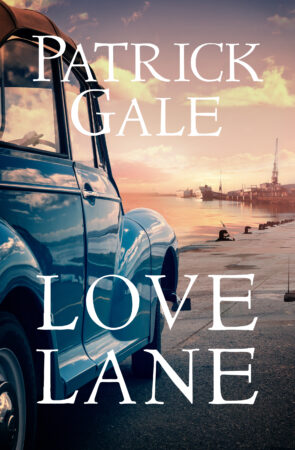
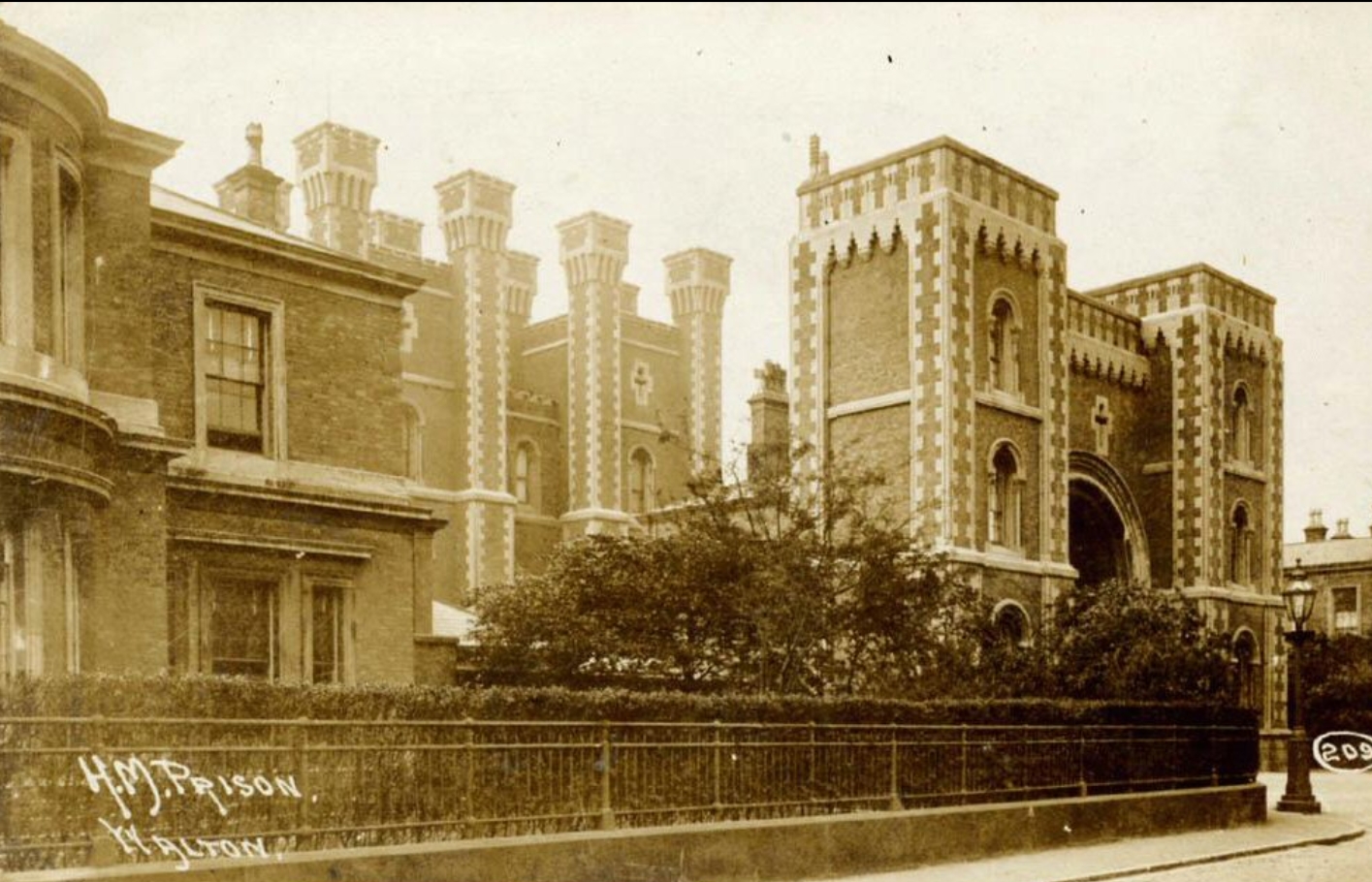
Patrick’s latest novel draws its title from the first address of his parents’ long and unusual marriage – a street dominated by Wakefield’s prison, in which his father was head tutor at a training school for prison officers – but it’s also more generally a story of married love, romantic compromise and how sometimes secrets and an ability to keep one’s counsel might be key to a relationship’s enduring. It portrays not only his parents’ then very new marriage and his grandparents’ perhaps more romantic one, but revisits the secret marriage imagined, in his bestseller A Place Called Winter, between his great grandfather, Harry Cane, and his husky neighbour, Paul Slaymaker.
Many of Patrick’s novels start with a real life question to which only fiction can provide an answer: a satisfactory way of cutting through the wilful obscurities and fibs of family life. Love Lane is no exception. In 1952, Harry Cane sold up the Saskatchewan farm he had carved from the prairie singlehanded and where he had grown old, in order to return to England and visit the daughter he hadn’t seen since leaving her as a toddler. Over several weeks he stayed with her in the notorious prison at Liverpool, which his son-in-law governed, and with Patrick’s mother and father in Wakefield but then, for reasons unknown, money was clawed together to send him back to Canada rather than keep him in the bosom of the family. What had he done to deserve this treatment?
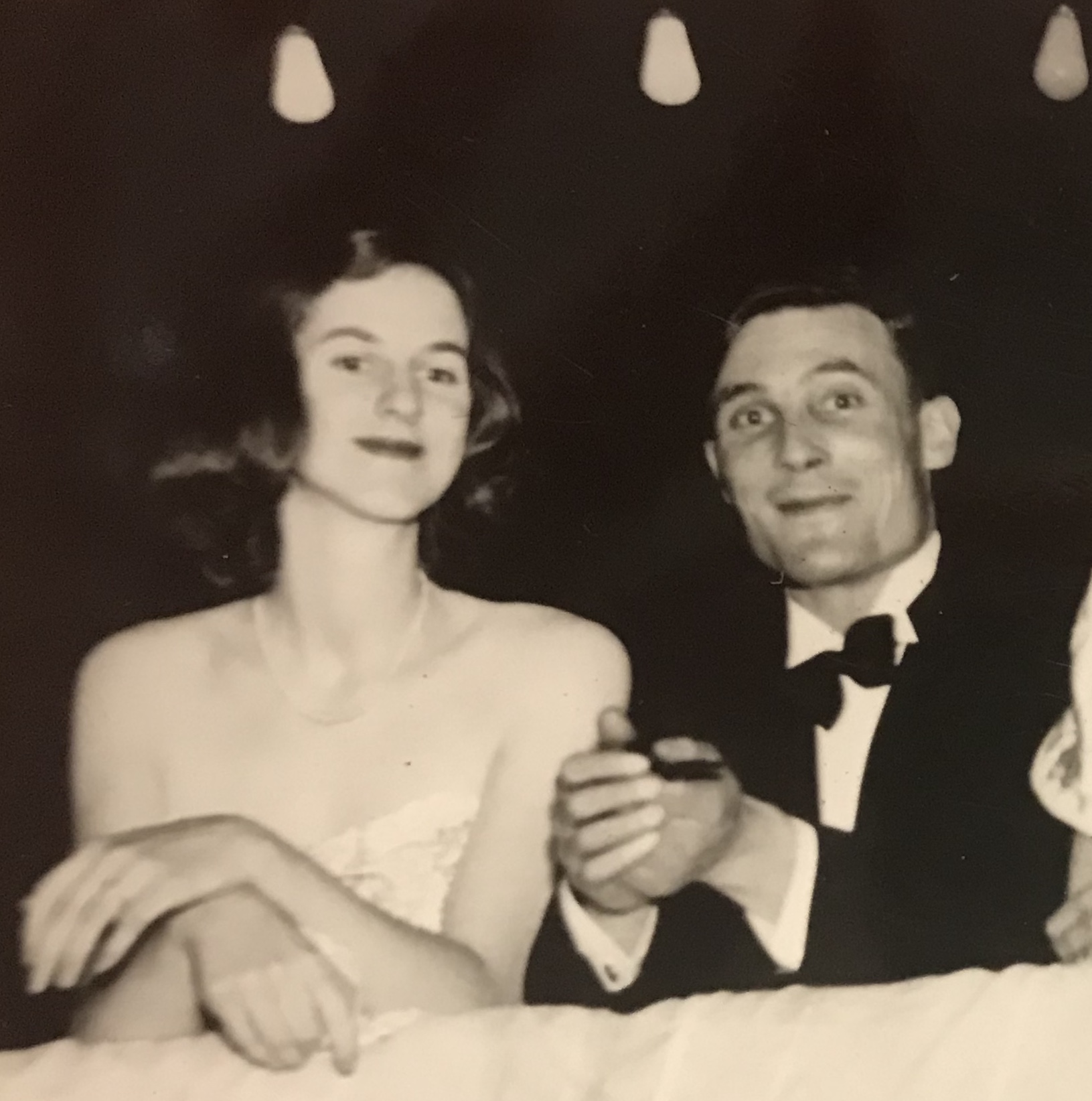
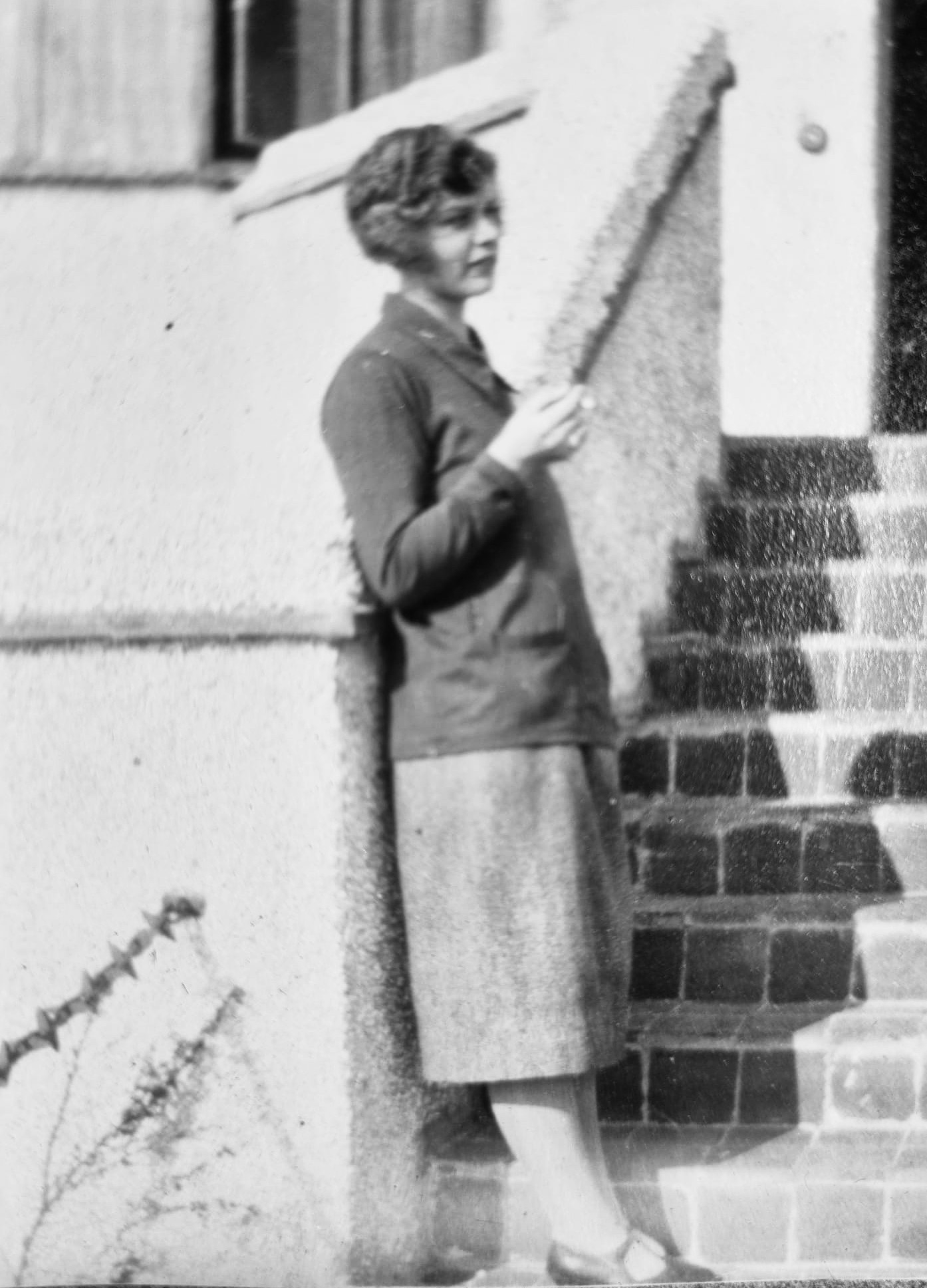
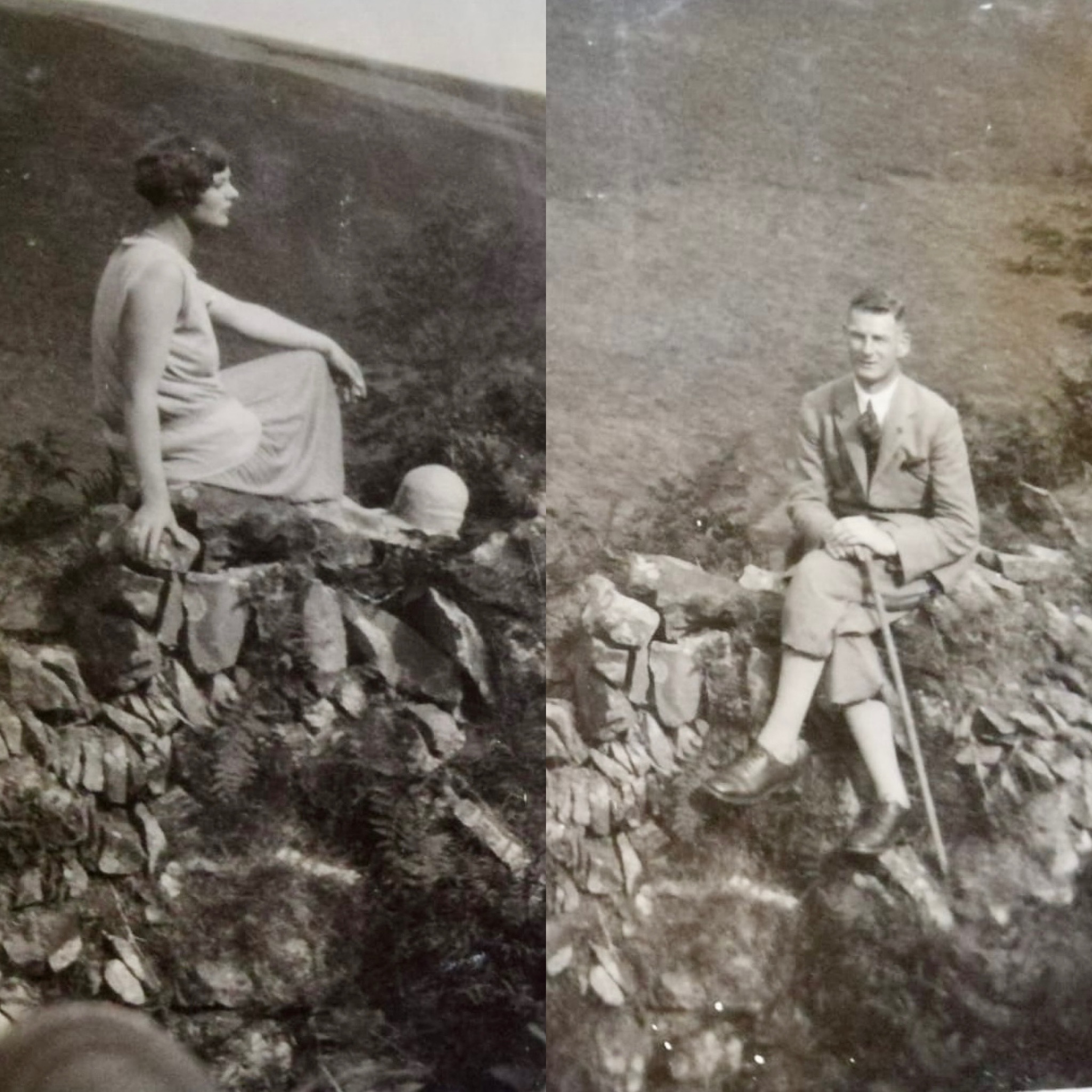
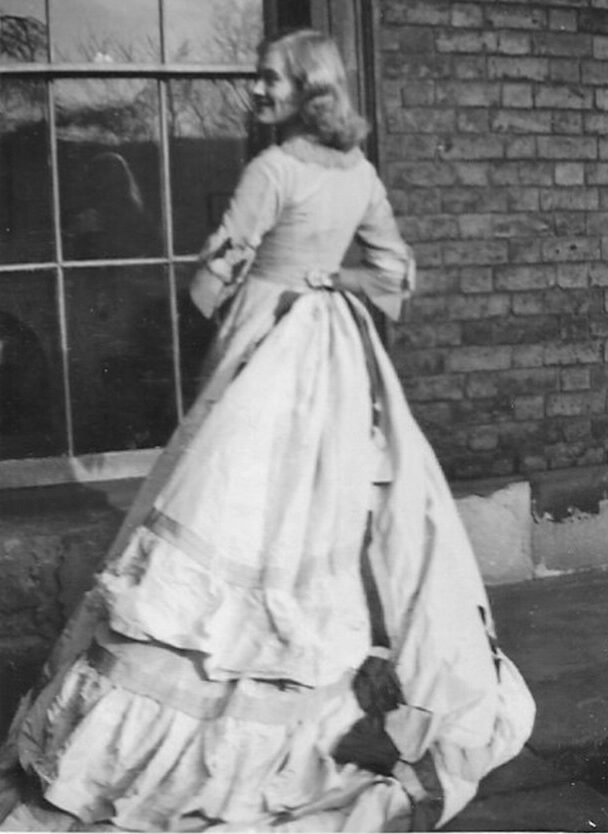
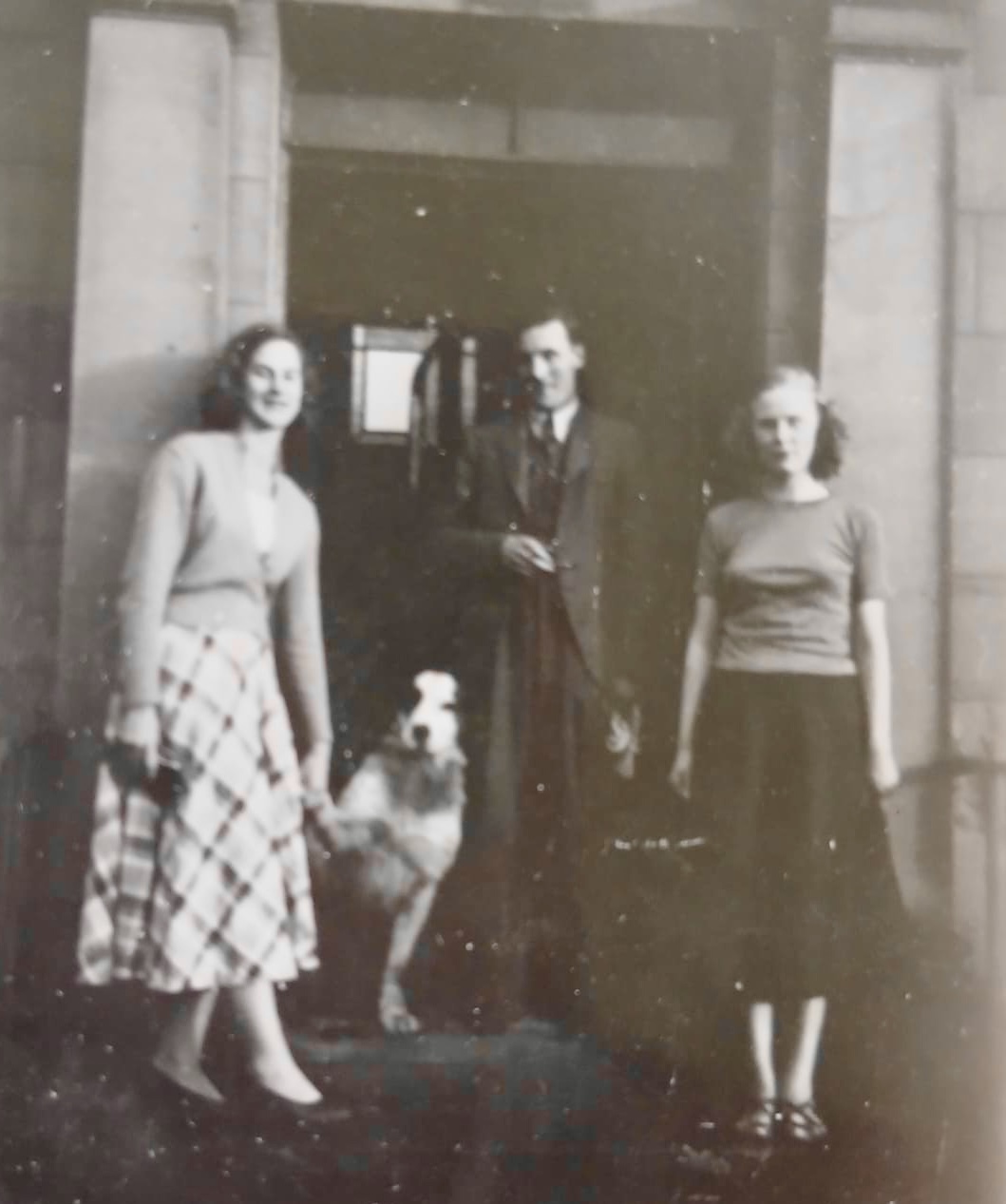
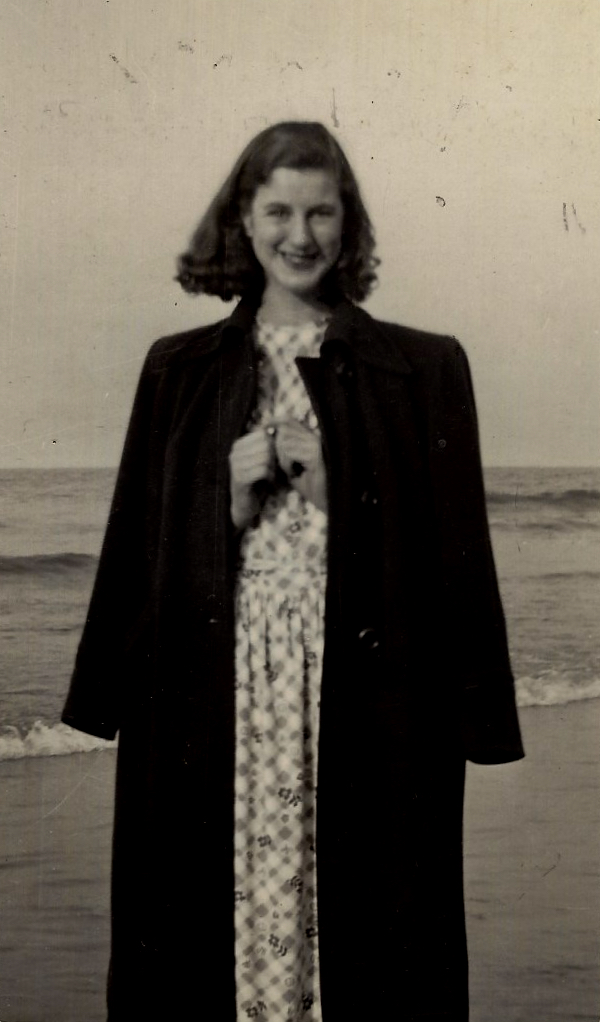 Pip, Patrick's mother, pictured in 1949 freshly engaged to Mike.
To order your copy via Amazon in the print, audible or kindle edition, click here. To order from Waterstones, click here. Or you can support independent booksellers by ordering through Bookshop.org.
Here are some advance reactions from other writers:
‘Love Lane is the story of a family, told beautifully and with deep understanding. There is no judgement here, only humanity. A joy and a lesson for our time.’ Ann Cleeve
‘With Love Lane, Gale gets right to the secret joys and hidden heartbreaks of ordinary, flawed family life. A tender, delicately devastating novel.’ Sarah Waters
‘Nobody is better than Patrick Gale at discovering the extraordinary stories that are hidden in the cracks of ordinary lives, and Love Lane is his finest novel yet: a family history that is full of yearning and as tender as a mother’s embrace.’ Robert Douglas-Fairhurst
‘Miraculous, mischievous and quietly devastating, Love Lane is the irresistible story of five individuals, linked by the past and yet separated by the present. I have just fallen in love with a book. ‘ Rachel Joyce
‘Love Lane moved me greatly. The novel has a great sweep, in its story, and in the richness and vividness of each of its character. This is a book about secrets and lies, yet Gale has such an exact and elegant power as a storyteller that the experience of reading the novel is rousing. I think it wonderful.’ Christos Tsiolkas
‘Patrick Gale brings his usual compassionate sympathy, impeccable research and elegant style to his powerful new novel. It was a joy to be reunited with Harry Cane, the pioneering farmer from A Place Called Winter, as he returns from Canada to his not entirely hospitable homeland in his old age, and reconnects with three generations of his family. Love Lane is an involving story of reconciliation, secrets and compromises, rich in emotional truth and evocative historical detail.’ Clare Chambers
‘Pure reading pleasure.’ Charlotte Hobson
‘It really is an extraordinary creation, one of the most atmospheric and subtly realised novels I’ve read in a long while. It has the feel of a small-scale epic, filtered through distinct voices, about family and memory, estrangement and homecoming – all suffused in the ambiences of the mid-twentieth century. The shifting perspectives, the small resonant details of time and place, the sharp observations of family life – all these give the novel an emotional force that steals up on you. One aspect I loved was the alternation between lives observed at an everyday level and the evocation of longer, generational time. Among other things, the novel is a masterly examination of time and the fading of regret into resignation – how one learns to live with whatever blows the past has dealt; how time itself allows this. Harry struck me as the clearest embodiment of the theme – a man very nearly destroyed by life, and yet powerfully and defiantly alive in the final pages. Incidentally, I loved the sharpness of the closing sentence. It sums up so much about his character.’ James Cahill
‘Love Lane is an intimate and closely-observed novel — a family drama full of heart-rending moments illumined by the power of suppressed desire. The characters feel real, knowable and alive. Full of rich detail, this story brings private pasts to light with all of Gale’s signature warmth, grace and humanity. ‘ Seán Hewitt
‘He brings a musicality and rootedness to his prose along with a seemingly effortless skill of narrative that makes the work both compelling and rich. Crucially, he reminds us that while social mores and even laws may change, bigotry and brutality often lurk just beneath a polite surface. This is both a tale beautifully told.’ Stella Duffy
‘It seems at first like a gentle novel. Slow, thoughtful, layering feeling on feeling, so the reader is suddenly so involved in the characters… As you read on, gentleness grows into emotional truth and powerful feeling…I found it almost unbearably moving. There is so much reflection on aging, home and where one belongs. So much grace, humour and wisdom in Harry. There is so much joy in every character you meet, however briefly. Patrick Gale doesn’t show off, his prose is clean and clear and true. He makes you care about the characters who feel real, and you so badly want the world to treat them with the respect, kindness and attention they deserve. A deep, moving novel, which is somehow hopeful, despite the sadness.’ Georgina Moore
‘Five threads of storytelling interweave to form the braid of a novel both poignant and elegiac. A story of missed opportunities and, ultimately, a memorable story of forgiveness.’ Sarah Winman
‘In Love Lane, Patrick Gale has once again shown us the cracks in the human heart and the bravery of living. The return to Harry Cane in his later years is a sharp, moving glimpse into a beloved character aging. Harry’s own return to an unknown family with their battles and secrets is transformative and unsentimental. Patrick Gale holds decades in paragraphs, years in a sentence, and with perfect economy and discretion allows us to feel how generations face or hide from their foes. This is a beautiful and chiselled novel: prepare to cross the ocean and weep.’ Tiffany Murray
‘This is a captivating novel from beginning to end. Beautifully paced, it combines characters that spring immediately to bouncing life, a capacious and compassionate humanity and vividly convincing historical insight. With delicate strands of family story wound expertly into a profoundly involving narrative of passion lost and found, Love Lane traces all the strange and wonderful ways of the heart.’ Christobel Kent
Publisher: Tinder Press
ISBN: 978-1472257468
Read an extract
Read an extract from Love Lane (Kindle Preview)
Buy Love Lane
Hardback: Amazon.co.uk | Hive | Waterstones | Booktopia.au
eBook: Amazon Kindle | iBookstore (UK) | Kobo
Audiobook: Audible
Reviews of Love Lane
Love Lane
by Patrick Gale
Tinder Press, £20, pp. 304
The title of Patrick Gale’s latest lyrical novel
alludes both to its central theme of the hidden,
winding paths of love and also to the
street by Wakefield prison where two characters,
Mike and Pip, live. They are fictional
renderings of the author’s grandparents – the
names and address are real.
In Love Lane, just as he did in his 2015
novel /I Place Called Winter, Gale draws on
his own history to frame a question about
a family secret and then uses fiction to create
a rendering of a possible truth. He develops
The discovery of Harry’s illicit affair
with his brother-in-law threatens to
destroy the charade of his life
the story of Harry Cane, who, in the earlier
novel, we discovered was a gay man, blackmailed
out of a privileged life in England
and banished to the Canadian Prairies at the
start of the 20th century. Now Gale explores
why, after the second world war, Harry sold
his farm for less than it was worth, returned
to his family in Liverpool and then, a few
weeks later, was sent back to Canada.
We learn that in Canada Harry is a respected member of the community, living on the
land alone, except for secret nightly visits
from his illicit long-term lover, his brother-in-law
and neighbour, Paul. This affair is
essential to Harry, but its inevitable discovery
threatens to destroy the charade of his life.
So he retreats back across the Atlantic to his
long-lost daughter Betty.
Her story is interleaved with Harry’s,
and Gale further expands the narrative to
encompass sections on Betty’s prison governor
husband Terry and her naive daughter
Pip, married to Mike. As we dip into these
tales we glimpse the intriguing lives of
other minor characters, such as two prisoners
sentenced to death, despite being probably
innocent; the ‘glamorous and naughty’
aunts who brought Betty up; and two tailors,
who ‘shelter their relationship’ in their business
– their secret alluded to by matching
signet rings.
There are vividly conjured settings, especially
of postwar Liverpool, with its ‘pillars
of chimney smoke’ and ‘unholy mess of the
emerging Catholic cathedral’; and of rationing
and old-fashioned recipes, including Betty’s
suggestion that Pip feed her baby brains:
‘It has just the consistency of scrambled
eggs, so most babies love it, and of course
they’re too young to be silly about what it is! ’
While Harry’s tale is the novel’s linchpin,
Gale places him among a host of such
colourful characters that his journey is not
always the most emotionally compelling.
I enjoyed taking this very scenic route, but
perhaps 1 did get a little lost in the lanes.
Emily Rhodes
The Spectator
Continuing the story that began in A Place Called Winter, Harry Cane returns to post-war
England after decades away. His arrival unsettles the family he left behind, particularly his daughter. As past choices resurface, Harry’s presence shapes the next generation in unexpected ways. This is a deeply affecting exploration of estrangement, reckoning, home
and the complexities of family.
Woman‘s Own
When Harry Cane returns home to England, having worked as a farmer in Canada for decades, he can’t believe how much things have changed after two world wars. His estranged daughter Betty feels obliged to offer him a home.
Harry’s presence has a profound impact on her family including on his granddaughter Pip, who finally reveals why she is such hard work. Can Harry find peace in his twilight years amid his relatives or is it too late?
Beautiful storytelling. Four stars.
Natasha Harding
The Sun
Longing, sadness and love are the emotions that colour this quietly devastating novel. Harry Cane, whose story Gale unfurled so movingly in A Place Called Winter, leaves behind Canadian wheat fields and joins family in 1950s England. Weaving his story with theirs, Gale chronicles secrets, heartbreak and happiness, as Harry embraces his twilight years with a twinkle in his eye and discovers the true meaning of home.
Eithne Farry
Mail on Sunday
Patrick Gale has long been one of the most reliably captivating, sympathetic storytellers, often weaving in his own experiences into his novels: he lives on a beef in farm at the rugged far west of Cornwall, a county that features regularly, and his grandfather and father were prison governors-Love Lane is the name of the street on which stands Wakefield prison in West Yorkshire.
The central character in this latest novel, Harry Cane, is Mr Gale’s great-grandfather, who mysteriously left England in disgrace at the turn of the 20th century to forge a bleak existence as one of the first colonisers of the Canadian prairies. This part of his story is told in the 2015 novel A Place Called Winter.
Love Lane is set in 1952, when Harry, who has been forced to sell his homestead, receives a invitation to visit from his daughter, Betty, whom he last saw as a baby and who is now married to a prison governor (as she was in real life). As Harry disembarks in Liver-pool, however, his family is disconcerted by this shabby, toothless old man, who is a far cry from the handsome, affluent figure of their last photographs and Betty realises that she may not be able to look after him as she had envi-saged. The sadness, at times heart-stopping, is, however, redeemed by Harry’s ability for empathy, especially with his troubled grand-daughters. As ever, Mr Gale’s sense of time, place and human frailty is impeccable and scorchingly humane.
Kate Green 1.4.26
Country Life
Harry Cane returns in Love Lane, Patrick Gale’s period drama that simmers with secret sexuality
Love Lane is an absorbing novel exploring the meaning of home and family through the story of Harry Cane, an ageing farmer in Canada obliged to return to 1950s England to the daughter he abandoned decades earlier.
I particularly enjoyed the early part of the book, in which Harry is forced to sell up and sail home.
This story of his search for love and family has the feel of a small-scale epic and, as the narrative shifts to England, I settled into the book comfortably.
Through Harry’s returned-emigrant eyes we see how life in 1950s Liverpool has been transformed by two world wars. “Betty made an effort not to prattle as she drove him the short distance to Walton, but felt she must defend the city against dour first appearances, so told him about its wealth of Georgian houses and unfinished rival cathedrals.” Such moments subtly evoke the atmosphere of a city reshaped by conflict and rebuilding.
Patrick Gale is a highly regarded historical and contemporary fiction writer and first introduced readers to Harry in A Place Called Winter. Love Lane continues Harry’s story.
In his author’s note, Gale reveals that Harry is modelled on the life of his great-grandfather, a farmer in Saskatchewan. Drawing on family memories and letters, Gale builds a narrative with a strong sense of authenticity and intimacy.
These influences extend to stories of life as a prison governor – Gale’s father governed
Wandsworth – at a time when the death penalty was still in use and homosexuality was illegal.
Gale is a skilled writer with an excellent sense of pacing. His opening immediately hooked me:
“For many years, Harry Cane and Paul Slaymaker were able to live the life they did, not only through scrupulous discretion, but because they never gave what they had a name or even put it into words.”
After Harry’s arrival, the narrative is told in third-person perspectives from Harry’s daughter, Betty, her husband, Terry, Harry’s granddaughter, Pip, and Pip’s husband, Mike. The challenges they face reveal the losses and practical hardships of the post-war era, with a great deal of social history emerging.
Betty is full of doubt about seeing Harry again, yet feels compelled to take him in, prompting her own self-examination. At times, however, some emotional scenes feel a little underdeveloped.
Homosexuality is a recurring theme. Mike’s romance with a school friend recalls Brideshead Revisited. At one point, he even considers marrying his lover’s sister as cover, “as a means of somehow enabling it to continue, only he liked her far too much to practise such a deception on her and very much doubted she would have let herself be deceived”.
Occasionally the prose feels a little too well-mannered or clinical when handling such intense material, and some chapter endings leave storylines hanging as the perspective shifts to another character. Yet Gale also offers quietly sharp observations, as when Harry remarks:
“People without secrets… are like people with very tidy houses: usually not worth knowing.”
The book’s greatest triumph is Harry – his gentle dignity and stoic acceptance of life’s
compromises. Love Lane is an involving story of reconciliation, secrets and compromise, rich in historical detail.
Hilary Fennell 25.3.26
Irish Independent
Towards the end of Love Lane, elderly protagonist Harry Cane becomes a figure of twinkly-eyed mischief. Gossiping with his granddaughter Pip, he advises her that “people without secrets … are like people with very tidy houses: usually not worth knowing”.
Dangerously buried secrets are very much the order of the day in Patrick Gale’s 18th novel. We start as we mean to go on: Love Lane opens with a recounting of the clandestine relationship between widower Harry and his bachelor brother-in-law Paul Slaymaker, Englishmen who separately emigrated to Canada around the turn of the last century. We first meet them as homesteaders in the unforgiving Saskatchewan wilds; Gale aficionados who encountered Cane in 2015’s A Place Called Winter remember the dark cloud of scandal that hastened his departure from Britain. The “steady tenderness” between Harry and Paul, which is passingly reminiscent of Annie Proulx’s Brokeback Mountain, gives the men succour as their neighbouring farms weather the bitter economic vicissitudes of the 1920s and 30s, but their wordlessly powerful bond is for ever altered by the arrival of Dimpy, a woman down on her luck, and her hard-hearted son, Davy.
Delivered in a voice that’s often quite loudly expositional, the narrative sprints through the second world war. A series of events, many devastating and brutal, soon see Harry reconnecting with Betty, his long-lost daughter from an early marriage. The groundwork is laid for Harry’s somewhat equivocal return home. Whether those green and pleasant lands still constitute home for Harry after such a marked hiatus becomes one of the novel’s central questions.
After crossing the Atlantic, we’re introduced to a host of other narrative perspectives: affable Betty gets a good few chapters, as does her doughty husband, Terry, a prison governor. We also hear from their grownup daughter Pip and her ascetic husband Mike, both of whom have secrets of their own. These glimpses into lives adjacent to Harry’s as he returns to his radically changed birthplace round out Gale’s presentation of 1950s England. While he asserts that this is “a novel not a memoir”, it draws significantly on his family history and letters and is rich in rigorously detailed period colour. The realities of rationing, irascible charladies, clouds of Dubonnet and Ascot water heaters all feature in a colourful evocation of the times.
In Love Lane, it’s the alleyways and sidestreets of the narrative that provide most interest and entertainment. Secondary characters and subplots rather steal the show: the “galére of formidable, big-bosomed aunts” who raise Betty after her father absconds to Canada and her mother tragically dies provide a fabulously catty element. Whistle, Betty’s highly strung, free-speaking youngest daughter, is a breath of fresh air, as is racy Vivvy, who leads sensible ingenue Pip astray during her long engagement to Mike. But it’s an odd feature of the novel that the liveliness and appealingly gossipy tone of these peripheral sections often meant I lost sense of where the centre of the novel truly was. Harry becomes out of focus as all these other stories crowd in. When he very decisively takes centre stage again as the novel draws to a close, I was unsure how emotionally satisfying and successfully realised I found his arc.
Still, there is an enviable lightness to Gale’s sentences. The comedy has a Forsterian ease in its profound Englishness: asides about wedding day wardrobe malfunctions and bourgeois euphemisms for genitalia are all part of the novel’s unashamed Call the Midwife chumminess. Equally, Gale’s descriptions of the small commonplaces of domestic life often have a pure brilliance to them. A sketch of Mike’s nervous hands snapping the stems of sherry glasses and Harry’s great-granddaughter’s fascination with a long spiral of apple peel are particularly fine. There is darkness, too, especially with regards to the portrayal of the prison Terry governs. The criminalisation of queerness and Terry’s overseeing the hanging of two young and likely innocent inmates are attended to with dignity and nuance.
The novel’s title alludes, specifically, to the street on which Pip and Mike live in Wakefield, and where they host Harry – “Cowboy Grandpa” – for a few eventful weeks. But its significance extends beyond that. What is most palpable about this novel is the evident love the author feels towards the characters of his semi-fictional universe. There is a refreshing warmth and gentleness in Gale’s precisely imagined vision of these connected lives that makes for a kindly, immensely companionable read.
Michael Donkor 27.3.26
The Guardian
This isn’t a sequel to Gale’s Costa-shortlisted A Place Called Winter, but it does begin with that book’s protagonist.
Harry Cane has built a life as a farmer on the vast Canadian plains, and even found comfort in the arms of his brother-in-law (it was a scandal that forced Harry from Edwardian England in the first place). But times are changing, Harry is ageing, and a letter from Betty, the daughter he left behind, is the catalyst for a journey back to 1950s Liverpool.
Harry’s visit is largely a framing device, a pretext for a gentle, absorbing unfolding of the experiences and mores of new generations: housewife Betty; her prisoner governor husband Terry; and her two daughters, lively Pip and highly-strung Whistle.
Drawing substantially on Gale’s own family history, this empathic novel has the texture of social history: expect quiet surprises over sudden twists, and a satisfying, moving conclusion.
Stephanie Cross 27.3.26
Daily Mail
